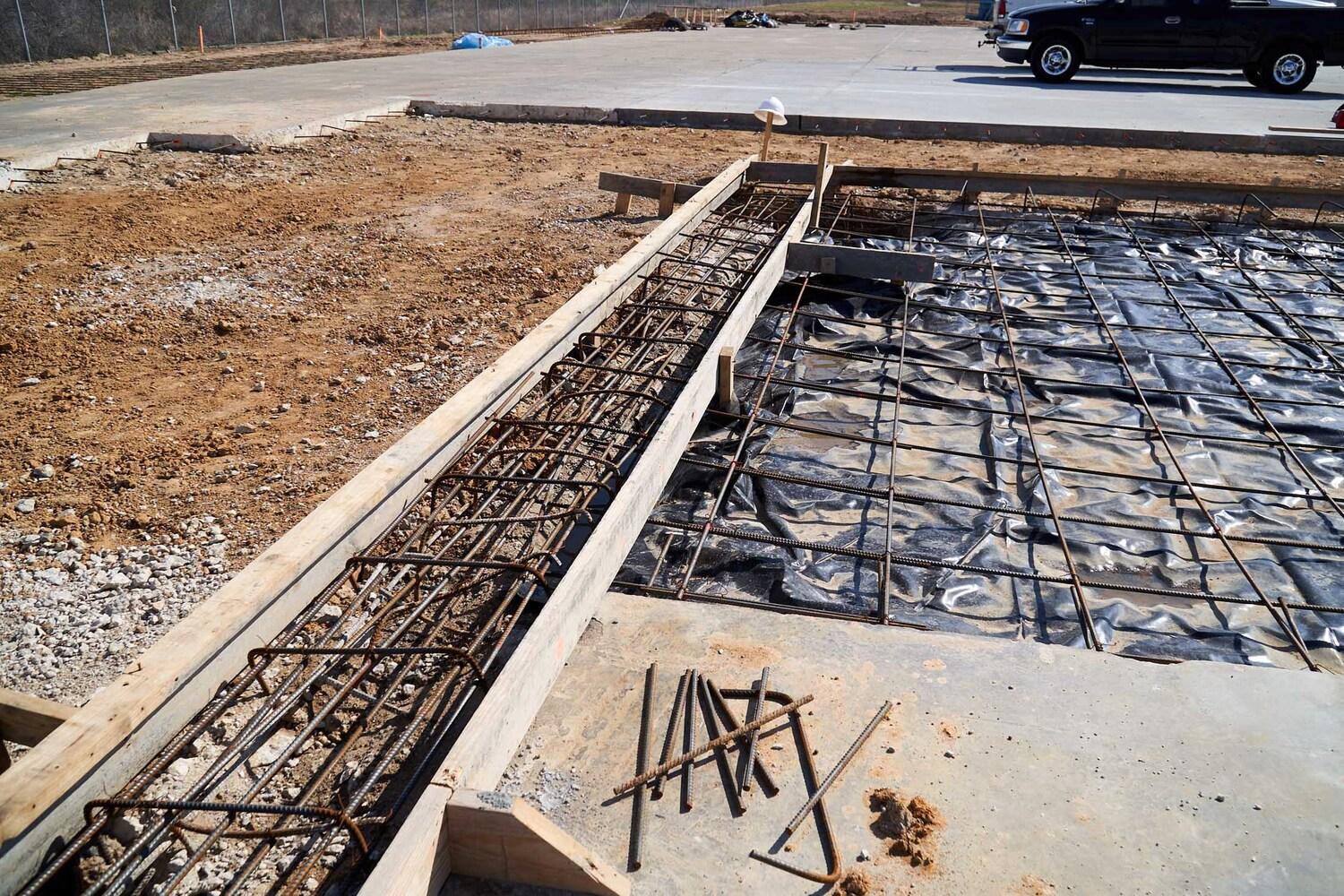
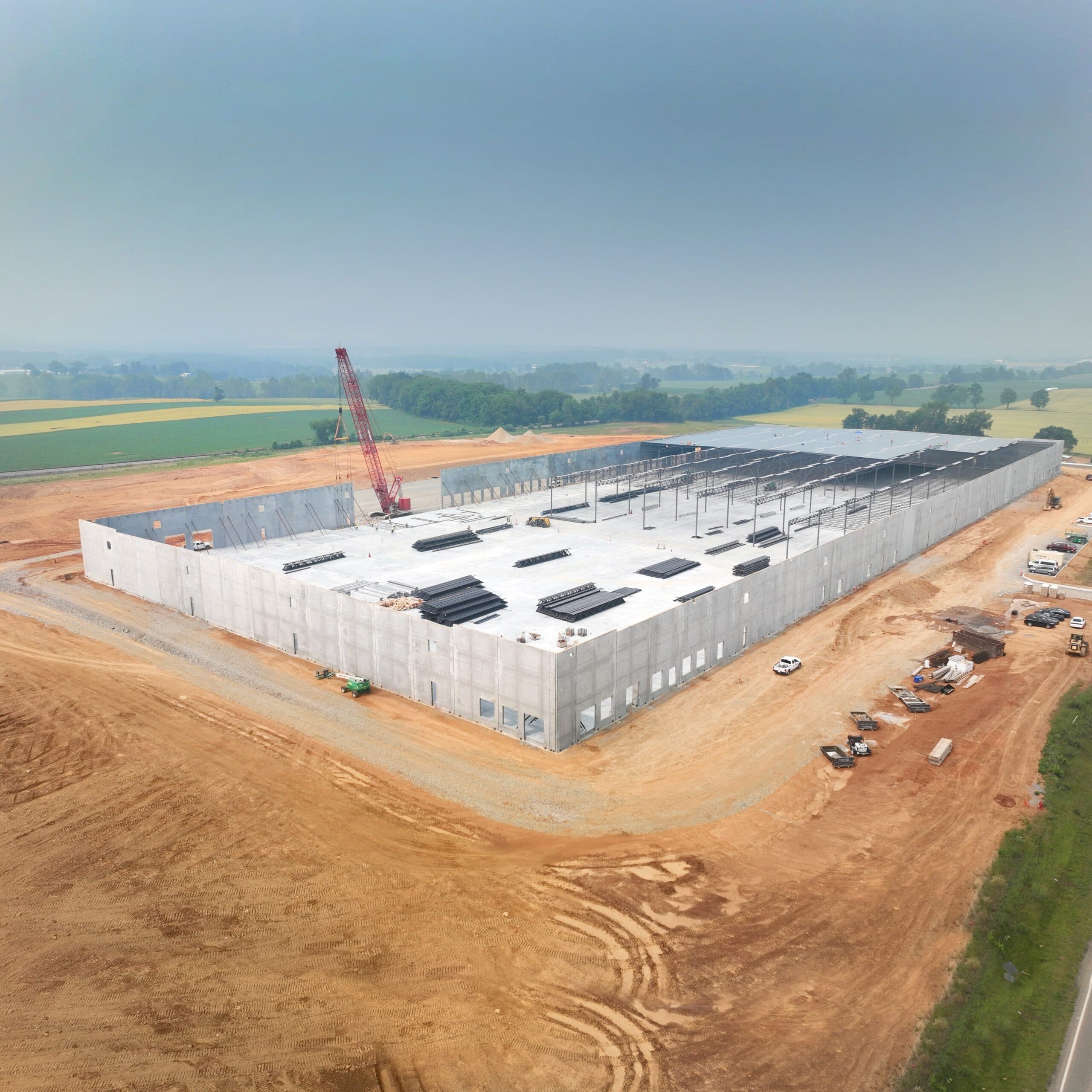
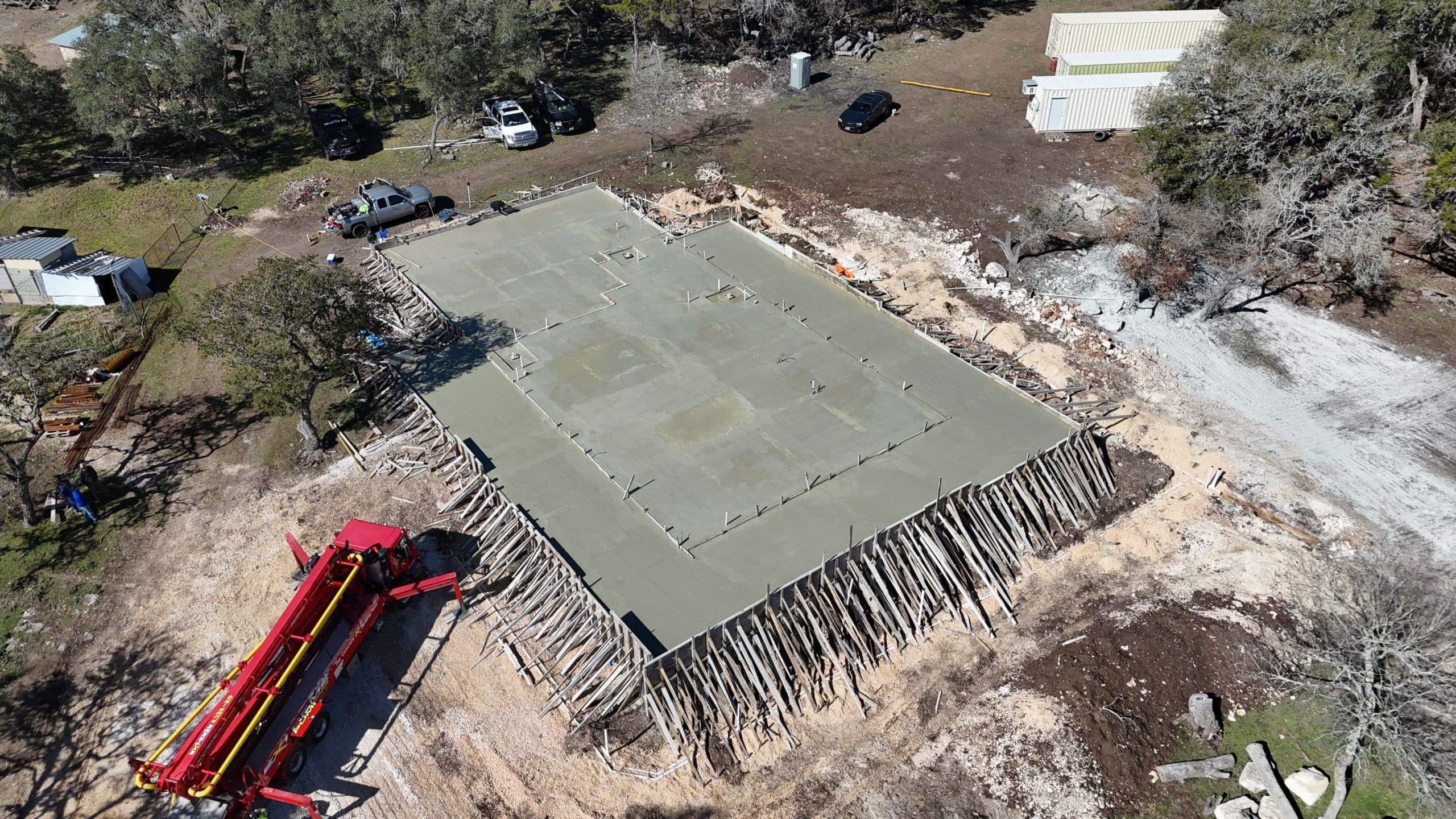
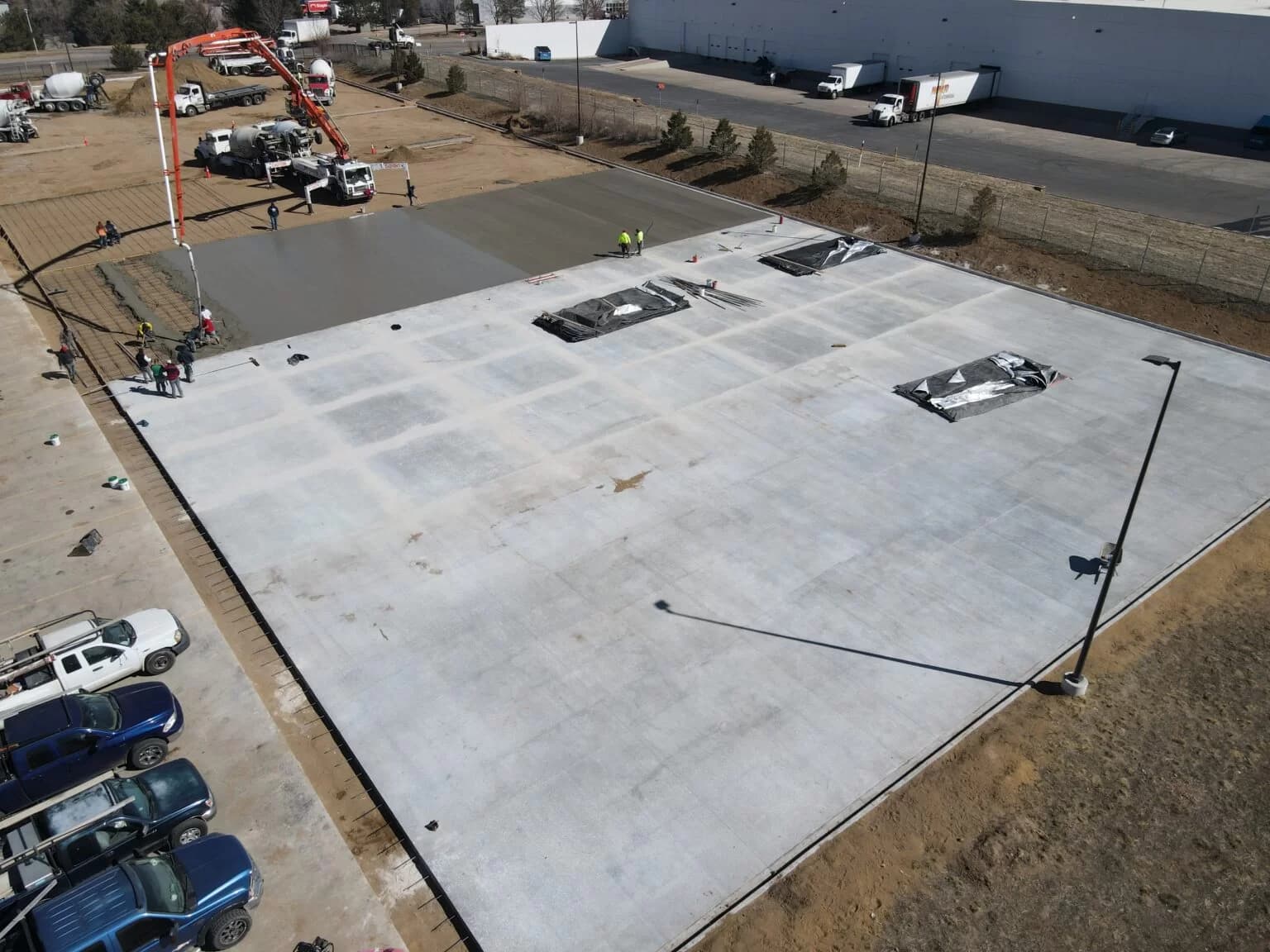
Mechanical, electrical, and plumbing conflicts almost always show up in the same place: the concrete. Underground electrical duct banks, plumbing sleeves, and mechanical curb pads all have to land in the slab or foundation before anyone can pour, and on a Mid-Cities commercial project with three separate MEP subcontractors working from three separate shop drawing sets, something gets missed if nobody's cross-checking them against the concrete plan. We provide that coordination layer on projects where we're already self-performing the concrete work — pulling MEP rough-in drawings, flagging conflicts against our pour and embed schedule, and tracking each trade's rough-in progress so the general contractor or owner isn't chasing three separate subs for status. This matters more in the Mid-Cities than it might elsewhere because of how much of the commercial stock here is retrofit and tenant improvement work rather than clean greenfield builds. A retail space near HEB or a flex building along Industrial Boulevard that's converting from one tenant's electrical and plumbing layout to another's means new duct banks, new floor sleeves, and new equipment pads getting cut into or poured against existing concrete. Coordinating that correctly requires someone tracking all three MEP trades against the concrete schedule at once, not managing them as three isolated subcontractor relationships. On new construction — industrial shells, warehouse buildouts, retail pad sites across Euless, Bedford, and Hurst — the coordination starts before the foundation pour. We review electrical duct bank routing against our footing and grade beam layout to avoid conflicts, confirm plumbing under-slab rough-in locations before the vapor barrier and slab go down, and verify mechanical curb pad dimensions against actual equipment cut sheets. Getting this sequence right the first time avoids the alternative: cutting and patching cured concrete to fix a conflict nobody caught, which costs more in schedule than in materials. For general contractors running a Euless commercial build with a full trade roster, MEP coordination through the concrete sub means fewer status meetings and less RFI traffic. We track each trade's rough-in schedule against our own pour sequence, flag conflicts before they become field problems, and hand over as-built sleeve and duct bank documentation at closeout. For owners and developers contracting with us direct — a common arrangement on smaller commercial and light industrial projects around Euless where hiring a full general contractor doesn't pencil for the project size — we manage the MEP subcontractor relationships the same way, without adding a GC's markup on top of the mechanical, electrical, and plumbing scopes. Electrical duct bank routing gets particular attention on our projects because it's the trade most likely to conflict with structural concrete elements — grade beams, drilled piers, and thickened slab edges all have specific locations that duct banks have to route around, not through. We coordinate directly with the electrical contractor's engineer on routing before footings go in, not after. Plumbing under-slab rough-in gets the same treatment: sanitary and storm lines have slope requirements that interact with our slab elevations, and getting that wrong means a plumber cutting concrete to fix drainage after the fact. Mechanical equipment pads, as with our HVAC coordination scope, get sized and placed against actual manufacturer specs rather than generic assumptions. We don't perform electrical, plumbing, or mechanical installation work ourselves — that stays with licensed MEP subcontractors. What we bring is the concrete crew's-eye view of the whole project: we're the trade physically on site for foundations, slabs, and structural elements that every other trade's rough-in has to route around, which makes us the natural coordination point whether we're bidding to a general contractor or contracting direct with an owner. Documentation is where a lot of MEP coordination falls apart on smaller projects, and it's where we try to be different. Every duct bank routing decision, every sleeve location, and every equipment pad dimension gets logged against the as-poured concrete, not only the as-designed drawings — because those two things drift apart on almost every real project, especially retrofit work where field conditions in an existing Mid-Cities building rarely match the original drawings exactly. That as-built package is what protects an owner or general contractor when a future tenant improvement or maintenance project needs to know exactly where a duct bank or sleeve sits without cutting exploratory holes in a slab that's already in service. It's a small piece of paperwork discipline that saves real money the next time somebody touches that building.