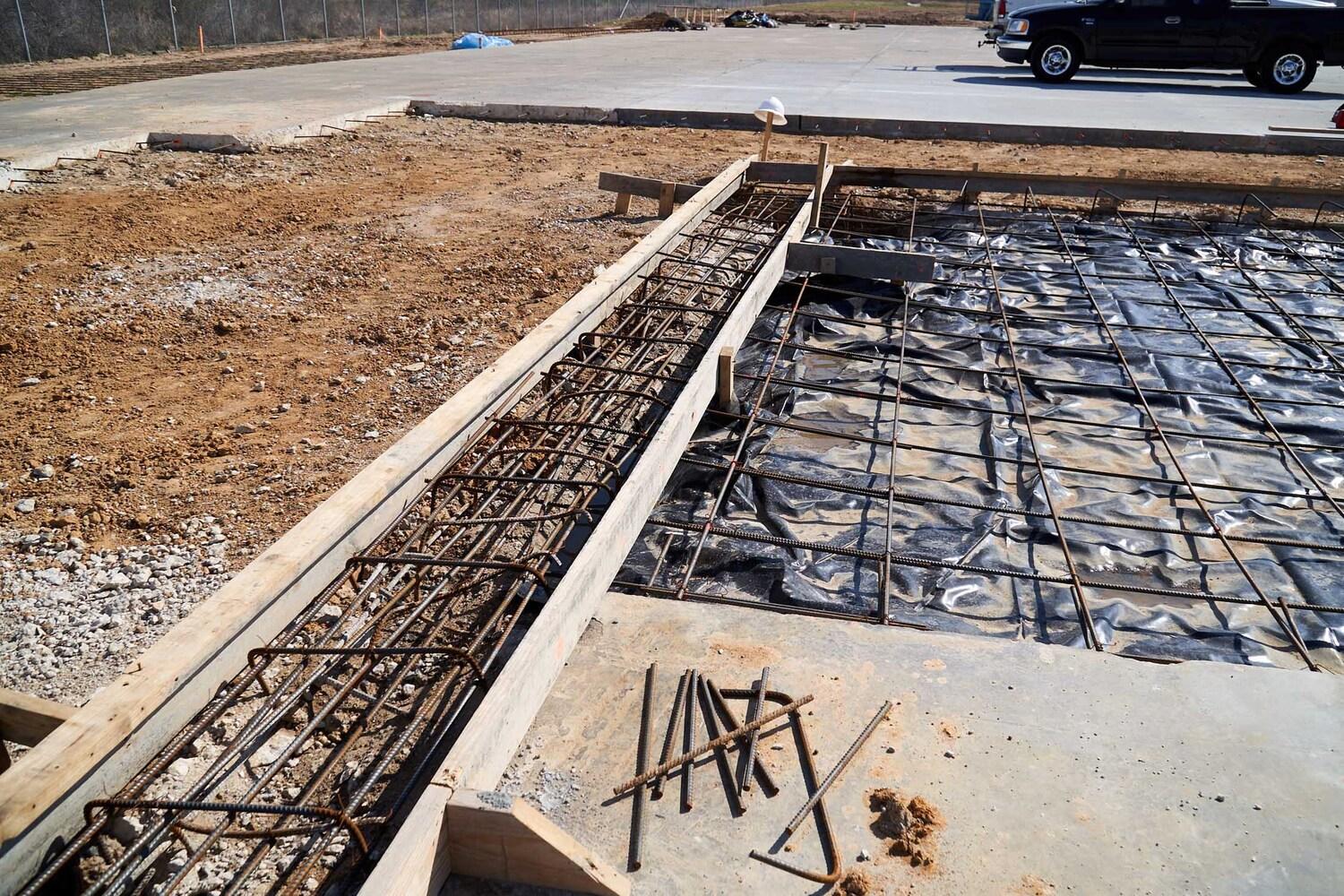
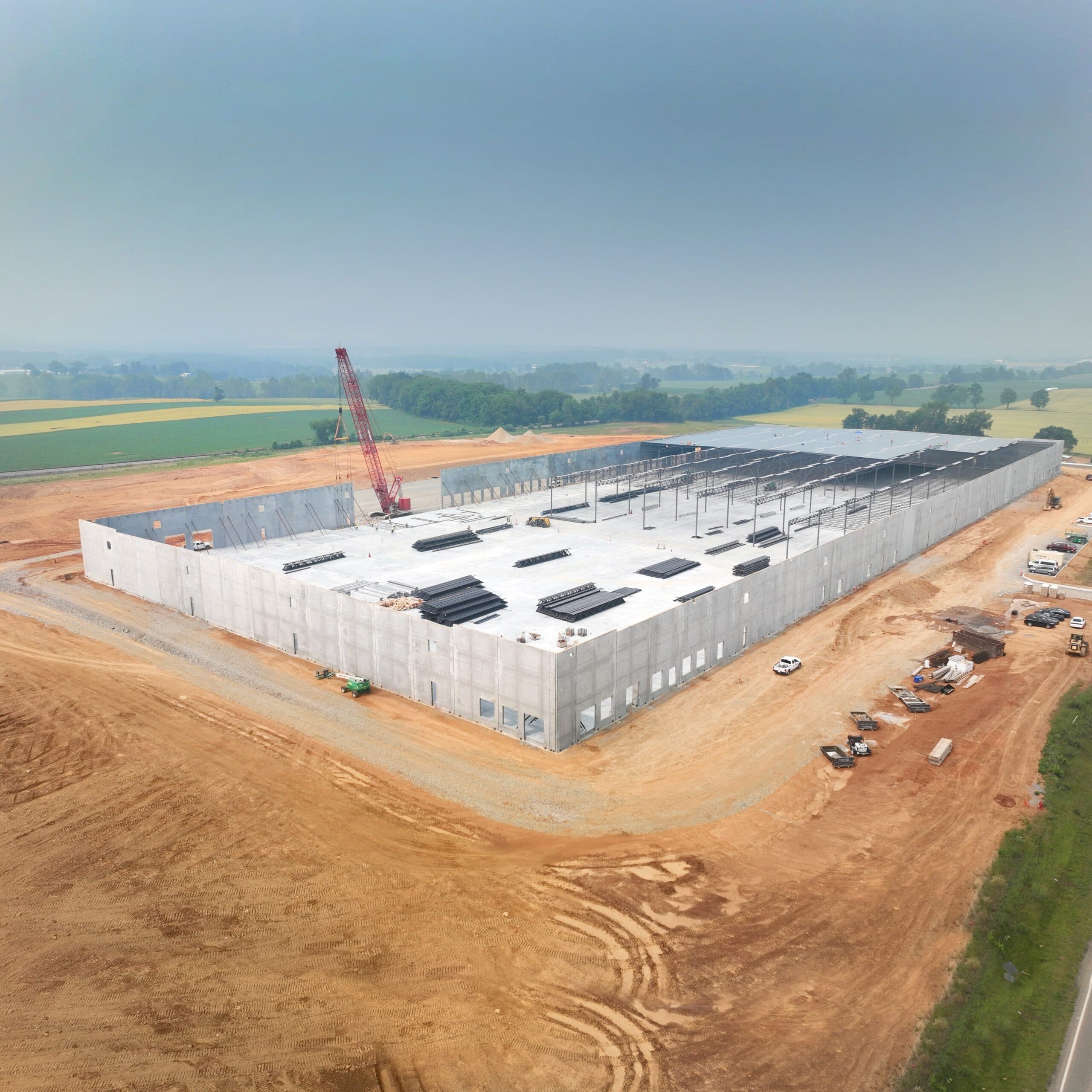
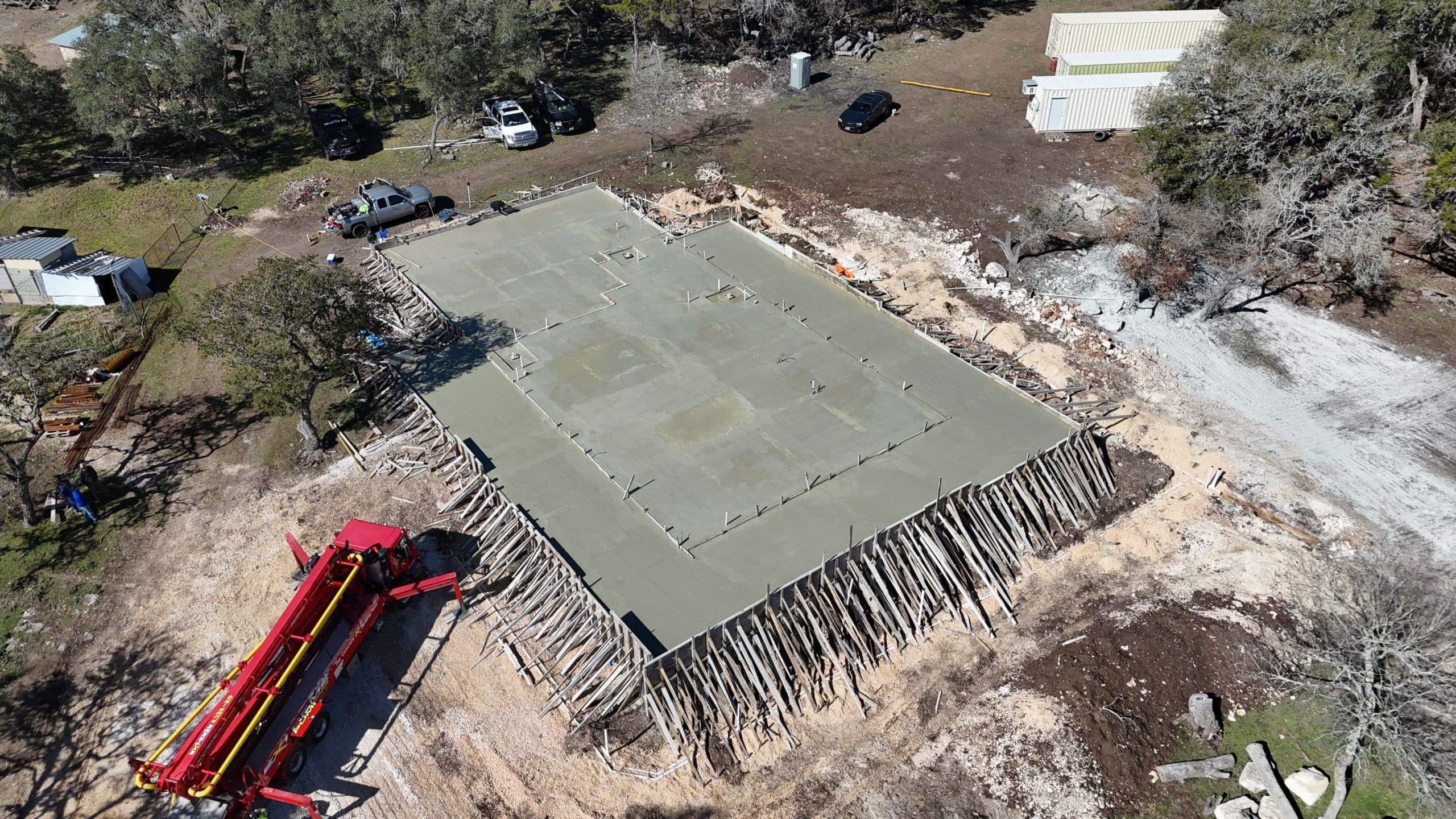
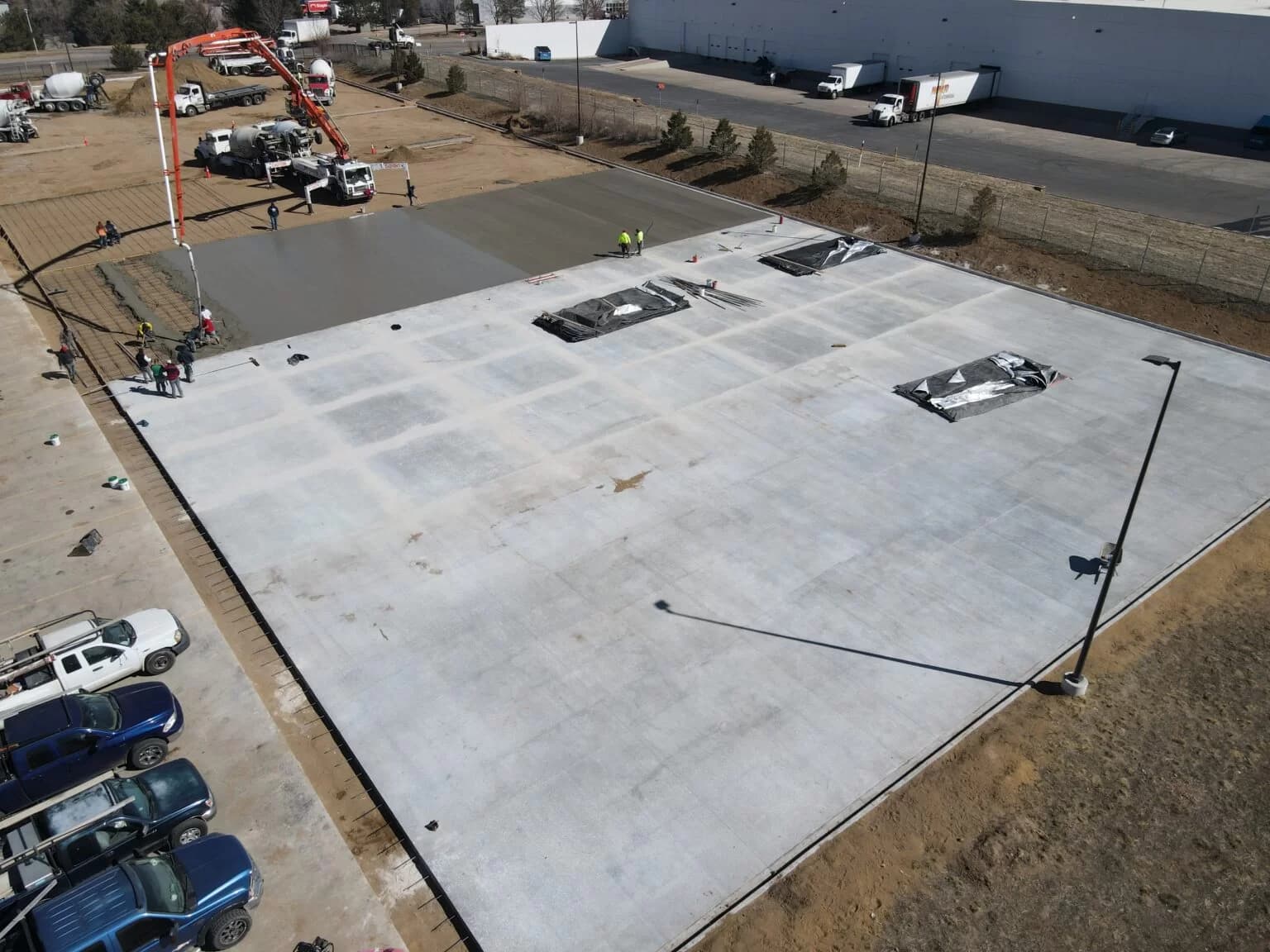
Euless sits in the flight path of DFW Airport, which means most of the industrial and commercial construction we see along TX-183, TX-360, and the Airport Freeway corridor comes with mechanical systems that have to answer to more than the mechanical code. Rooftop units on an airport-adjacent warehouse get reviewed for vibration and noise near approach corridors. Distribution centers along Industrial Boulevard need HVAC tonnage sized against dock-door infiltration loads that a suburban office building would never see. We coordinate HVAC subcontractor scheduling on projects where we're already the concrete crew, so the mechanical rough-in lines up with our embed and sleeve work instead of fighting it after the slab is poured. The reason this coordination role exists is simple: we're on site pouring the slab, setting curb pads, and placing housekeeping pads for rooftop and ground-mounted equipment weeks before the mechanical contractor mobilizes. If we don't know their unit weights, condensate routing, and duct penetration locations before we pour, somebody is cutting or coring concrete later to fix a conflict that a fifteen-minute coordination call would have caught. On Mid-Cities projects — Euless, Hurst, Bedford, and the HEB corridor generally — we've built the habit of pulling mechanical shop drawings into our own pour planning before crews mobilize, not after. For general contractors managing a full commercial build, that means one fewer moving part to track. We take the HVAC rough-in schedule, cross-reference it against our own concrete sequence, flag housekeeping pad dimensions and elevations against the manufacturer's equipment cut sheets, and confirm sleeve and curb locations before pour day. For owners and developers who hire us direct for a design-build shell, we manage the mechanical subcontractor relationship the same way — scheduling, rough-in verification, and closeout documentation — without adding a general contractor's markup to the mechanical scope. Rooftop unit curb pads and ground-mounted condenser pads are where this shows up most in the field. A rooftop unit that's undersized on its curb pad, or set at the wrong elevation relative to roof drainage, becomes a warranty problem within a year. We size and place these pads against the actual RTU or condenser specs, not a generic template, and we verify structural capacity for roof-mounted equipment against the building's structural drawings before anything gets set. For ground-level equipment — common on single-story retail and light industrial buildings around Euless — we grade and pitch pads to keep condensate and stormwater away from foundations, something that matters more here than it might elsewhere given how flat some of these Tarrant County sites run. Sleeve and penetration coordination is the other piece that saves real money. Refrigerant lines, condensate drains, and duct penetrations through slab or wall assemblies need to be placed before concrete goes in the ground, not cored after. We track the mechanical contractor's rough-in drawings against our own pour schedule and place sleeves to spec, with as-built documentation for the closeout package. On tenant improvement and retail build-out projects in the Mid-Cities, where HVAC often gets added or relocated mid-project as tenant requirements shift, we manage that change coordination directly with the mechanical sub rather than routing every change through a general contractor's RFI process. This isn't a scope we self-perform — refrigerant work and duct fabrication stay with licensed mechanical contractors. What we provide is the coordination layer: scheduling, rough-in verification, pad and sleeve placement, and closeout tracking, delivered by the same crew that's already on site for the concrete work. For a general contractor juggling a dozen trades on a Euless build, or an owner who wants fewer subcontractor relationships to manage directly, that's one less handoff to worry about. Seasonal timing matters more for HVAC coordination in North Texas than in most markets. Summer pours in the Mid-Cities are scheduled around early-morning starts to beat the heat, and that same window is often the tightest for getting rooftop crane picks scheduled before afternoon wind loads make lifting equipment onto a roof unsafe. We build that constraint into the coordination schedule from the start rather than discovering it the week a crane needs to be on site. Winter freeze windows, while shorter here than farther north, can also push back curing times for housekeeping pads, which shifts the earliest safe date for setting rooftop equipment. Tracking these seasonal realities against the mechanical contractor's own equipment delivery lead times — which can run eight to twelve weeks for larger commercial RTUs — is part of what keeps a Euless build on schedule instead of stacking delays on top of each other near the end of the project.